
What to Do in Beijing, China
Why visit Beijing?
Beijing is the capital of the most populous nation on earth and home to some of the most iconic tourist attractions.
It’s
also a city undergoing tremendous change, so it’s worth visiting soon
before the last of the traditional streets and hutongs are bulldozed in
the name of progress.
Things to do in Beijing
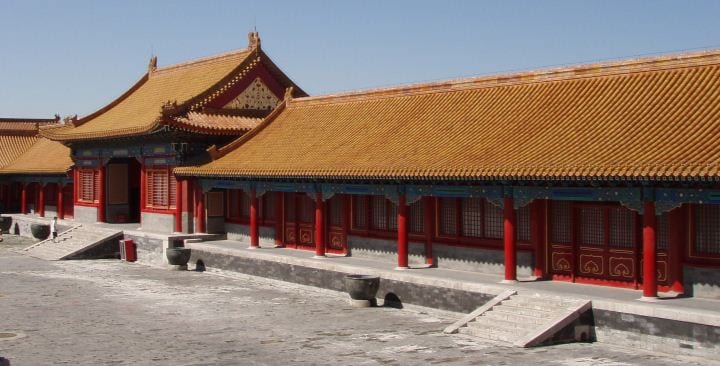
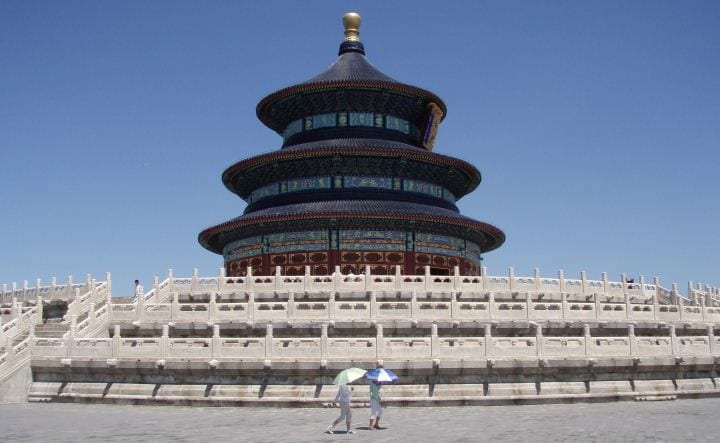
The big three things to do in Beijing are Tian’an’men Square, the Forbidden Palace, and Temple of Heaven.
These
are all reasonably close and can be visited in a long day, ending with a
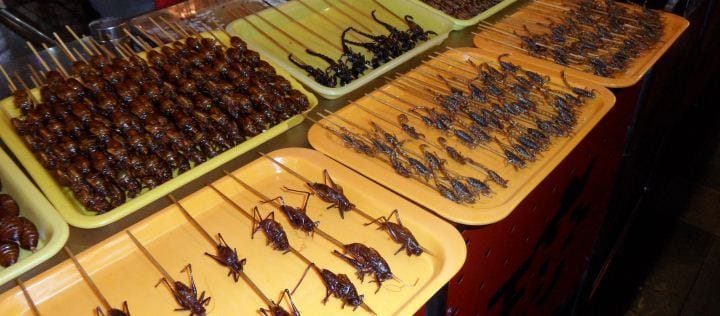
trip to DongHuaMen night market to sample the unusual foods on a stick,
such as seahorses and scorpions.
Other Beijing attractions are the ornate but busy Lama (YongHe) Temple or the nearby Confucius Temple that is generally much more serene.
798 Art District is an artist’s haven created in a Bauhaus-designed
ex-military factory. It’s peppered with some fine works of art, but it’s
worth noting that up and coming artists are rapidly being ousted by
rent increases, leaving it mostly inhabited by artists that are more
established.
Cheaper and more adventurous art is still being created in Ai Weiwei’s Caochangdi Art District or Songzhuan Artist’s Village.
In
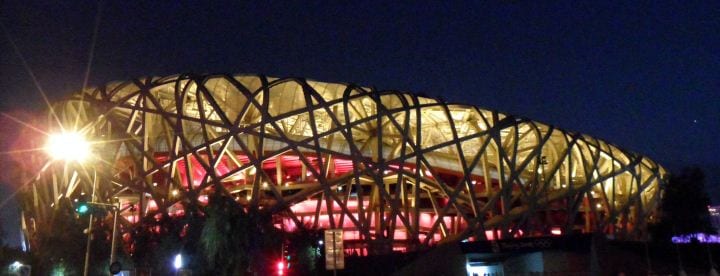
the north of Beijing city is the National Stadium, or Birds Nest. Used
in the 2008 Olympics this stadium is best visited at dusk, just before
the stadium and nearby Water Cube are colorfully illuminated at night.
The adjacent Olympic Forest Park is a good place to catch a break from the crowds and traffic.
For
a break from the crowds head west. Haidian district is home to the
tranquil Summer Palace (once a holiday home for the imperial family),
Fragrant Hills walking trails and the Beijing Botanical Gardens.
Keep an eye out for the CCTV Tower – an angular arch sometimes called ‘The Underpants’ – you’ll know it when you see it!
A couple of warnings: avoid Beijing Zoo – it’s one of the few places in northern China to see Giant Pandas, but the living conditions are terrible.
Take
the time to travel to Chengdu and visit the Panda Conservation Base
instead. It’s still a bit questionable, but they’re at least helping the
species.
Finally, spend any time in Tian’an’men or Wangfujing and
it’s inevitable that some friendly students will approach you looking
to practice their English.
Chat to them by all means, but don’t accept their invitation for a drink as it turns into an expensive scam.
Likewise, ignore anyone who offers to show you some cut-price works by art students.
Where to eat in Beijing
My
specialist subject. The best food outlets in Beijing are often the
cheapest and busiest. The high turnover ensures that it’s fresh and
usually made to order.
Any street will have bun or dumpling shops
where a filling meal can be had for 4-8rmb. For more upmarket soupy
dumplings look for the Taiwanese Ding Tai Fung chain.
In the morning keep an eye out for carts selling my favourite, a Jian Bing Chinese pancake.
Half a Peking Duck – the strip on the right is considered the best piece and is reserved for guests. In this picture it
Of course, nearly everyone will want to try Peking Duck.
The
most hyped is DaDong, famed for its crispy skin – it’s excellent duck
but the side dishes aren’t up to the same standards given the high
price.
Most tour groups will visit a brand of Quanjude, but as with DaDong you might notice a distinct lack of Beijingers eating there.
A
good compromise is Bianyifan, which has been serving duck since 1416
and is a perfect combination of excellent duck and other dishes.
Beijing
is also home to some of the best examples of regional Chinese cuisines.
If you’re not travelling further in China take the opportunity to try
spicy yet delicate Sichuan hotpot, rich in flavour Yunnan dishes or
rustic Xinjiang lamb kebabs.
For a special meal look for Imperial food, as served to the Emperors, but be prepared to pay handsomely. The Beijinger website has a useful directory of English-friendly restaurants.
If you’ve somehow tired of Chinese food, then Sanlitun is home to the majority of foreign restaurants.
The South East Asian food is of particularly high quality, whilst the Italian and American dishes might leave a lot to be desired, and cost many times the price of a Chinese meal.
Where to drink in Beijing
There are two main areas – Sanlitun and the hutongs around HouHai Lake.
In warm weather it’s hard to beat sitting by the lake with a drink, accompanied by the sounds of local musicians.
If
it’s a little cooler head to Sanlitun where it’s possible to find
everything from grungy music dives to stylish private clubs.
Be wary of suspiciously cheap (10rmb) fake spirits – the headache isn’t worth it – but do try Chivas Regal whisky with green tea.
Best places for a night on the town in Beijing
The
most popular evening shows are the Peking Opera, athletic or Kung Fu
Shows, or chilling out to live music in HouHai and Nanluoguxiang.
For
non-aficionados, the Peking Opera can be a bit much to endure and many
people leave at the first interval, so visit Prince Gong’s Mansion near
HouHai for a tour of the gardens and a 15-minute opera performance.
Where to stay in Beijing
For sightseers, the area east of the Forbidden City is full of cheap accommodation.
For hostels, there’s the well located YHA Peking International Youth Hostel.
For a budget hotel, friends have enjoyed the modern Hotel Kapok, again right next to the Forbidden ,City.
A couple of blocks east you come to Wangfujing where the high-end hotels are clustered.
The
Mandarin Oriental is a personal favourite, and towers over DongHuaMen
night market (due to reopen n 2016). Alternatively, look for a
family-run traditional courtyard hotel in the same area.
If you’re going to be spending every night in the bars, it would be more convenient to be over by Sanlitun, where you’ll find most of the expats and backpackers hanging out in Bar Street.
For
more places to stay in Beijing choose from the largest range of hotels,
apartments, and guesthouses with our partner Booking.com.
Markets and Shopping in Beijing
For
luxury brands, Wangfujing is the premier shopping street, closely
followed by Sanlitun Soho, although be aware there’s a 50% luxury tax on
many items so you’re unlikely to find a bargain.
For less
authentic goods, try the Pearl Market or Silk Market. Haggling is
essential here, but well-made fake clothes, bags, watches and jewellery
can be bought very cheaply. The hiking gear looks good, but I wouldn’t
want to be wearing it in an emergency.
Cheaper but less English-language friendly is the Zoo Market, opposite Beijing Zoo.
Festivals and events in Beijing
The
absolute highlight is Chinese New Year when the city is a cacophony of
fireworks for 15 days. It can wear thin after a week of sleepless
nights…
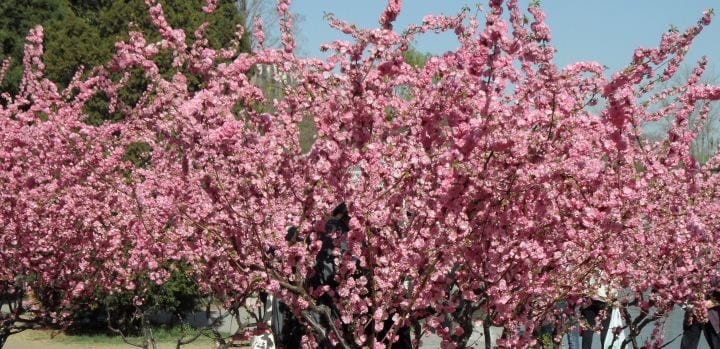
The Cherry Blossom festival in YuYuanTan park is beautiful. Alternatively, the annual Lantern Festivals in the city parks provide a source of interesting nights out.
Getting around Beijing
Avoid the pedicabs in Beijing.
The cheapest way to get around Beijing is by subway – the price is fixed at 2rmb (US$0.31) no matter how far you go.
It’s best avoided at rush hour. Many stations have maps in English but it’s worth carrying a subway map round anyway.
The
easiest way to get around Beijing is by taxi. Prices start at 10rmb and
increase with time and distance, but it’s hard to ever spend over
50rmb.
Note that there’s a 3rmb surcharge after 2km that won’t
appear on the meter, so be prepared to pay the extra, but there’s no
expectation of tipping. A taxi in from the airport will cost 80-90rmb.
Make
sure you have your destination written down in Chinese – hotels can
assist with this. To hail a taxi, don’t point – extend your hand with
the palm downwards and waggle your fingers.
Whilst the taxis are
generally helpful, there are a few unscrupulous drivers so it’s worth
watching that the meter goes up evenly, and your change is real.
Stay away from the three-wheeled pedicabs. They’re dangerous and will almost always try to scam passengers, even Chinese.
Walking
is an option around the major tourist sites such as Qianmen hutongs,
Tian’an’men Square or Wangfujing. Most streets run North-South or
East-West, so map reading is straightforward.
Beijing city is very
flat but spread out, so if you travel much farther afield you’ll need
to find transport – many hostels also offer a bicycle hire service.
In the hutongs, you can give your feet a break by hiring a rickshaw but negotiate a price before getting in.
Finding WiFi in Beijing
It’s
very easy to find WiFi, but you should be aware that the government
censors many social media web sites such as Facebook and Twitter.
Google works most of the time but is a little slow.
Wikipedia is often blocked, but Wikitravel is generally OK.
Internet addicts may wish to invest in a cheap VPN to bypass the blocks if you’re spending a few weeks in China.
If you want to access these while you’re in China, you’ll need to purchase a VPN. You can try a VPN from NordVPN here, which comes highly recommended. (affiliate link)
To
find free Wifi you can go to international chains such as Starbucks,
McDonalds, etc, or any local coffee shop – Maan is particularly fast.
Some of these require a local telephone number to get free access.
There are plans to provide a WiFi cloud over Beijing, but it’s still in development.
Favourite side trip from Beijing
The
most famous must be the Great Wall of China. For those with only half a
day, Badaling is very close to the city, but can be extremely busy.
For a different experience, it’s also possible to camp overnight there, on top of the Wall.
Slightly
further away is Mutianyu – it’s a full day trip and a bit more climbing
but you get to see unrestored wall rolling across the hills.
There
are plenty of other ‘Wild Wall’ sections to enjoy hiking trails, but be
careful as they can be poorly maintained and the emergency services
won’t come and find you in the event of an injury.
If there’s time, take a trip to Cuandixia.
It’s a village that has barely changed for 600 years. Stay overnight to
experience the slower pace of rural village life, coal-heated beds and
fresh and delicious locally grown food.
Best time of year to visit Beijing
Definitely
the autumn. The winter brings the cold winds from Siberia and the
spring breeze carries the dust from the Gobi Desert.
Summer can be very hot, whilst autumn is a much more comfortable temperature and the gentle breeze keeps the pollution at bay.
Avoid
travelling during the Chun Yun migration, when half of the cities 20
million inhabitants go home to the countryside for their annual holiday.
Tourist sites are packed, whilst public transport and restaurants are understaffed.
Getting there and away
From
Europe, the cheapest is always AeroFlot, but I tend to pay a little
extra and use Lufthansa for more comfort and a working entertainment
system.
Travelling to the US, American Airlines or Delta are cheapest, but I prefer Air China for the on-board dim sum.
If
heading south to New Zealand or Australia, domestic flights in China
can be very cheap, so it’s sometimes an option to fly via Shenzhen or
Guangzhou and continue from there on an international ticket.
The
next best option is trains. They’re very cheap, but the distances
involved can take multiple days to cover. This is improving rapidly as
China introduces high-speed rail services across the country.
View over the Forbidden City from JingShan Park. There
Best Beijing insiders tip
For
the adventurous, try XiFengKou, some way north of Beijing, where it’s
possible to dive down to where the wall has been submerged in a
reservoir.
Head to parks early to see people practicing Tai-Chi, or late to see them ballroom dancing. Feel free to join in!
Many
toilets in Beijing are the traditional squat style. Give them a try, or
you can find western style toilets in the lobbies of large hotels or
international chains such as McDonalds and Starbucks (but not KFC!).
Look for the stall marked Disabled, Old Man or even Maimed/Crippled.
My
favourite tip isn’t that obscure, but after visiting the Forbidden City
head to JingShan Park across the road. As one of the only hills in the
city, it gives an uninterrupted 360-degree panorama.
After all
this walking around, try a foot massage. US$10 will get you two hours of
pampering, including healthy snacks and fruit juices.
What to Do in Beijing, China
![What to Do in Beijing, China]() Reviewed by
Mix Entertainment
on
02:14:00
Rating:
Reviewed by
Mix Entertainment
on
02:14:00
Rating:


